Organization
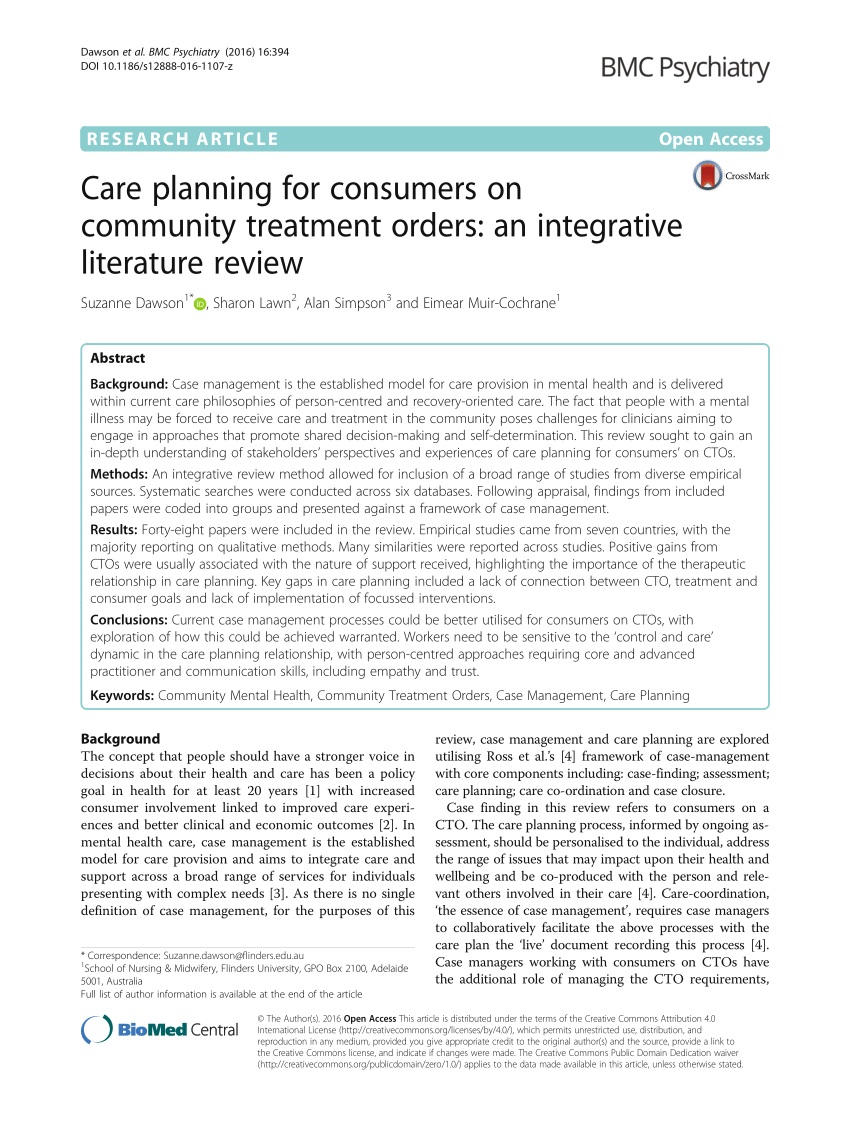
· Organizing the Literature Review 1. Organizing Principles A literature review is a piece of discursive prose, not a list describing or summarizing one piece of literature after another. It should have a single organizing principle: Thematic - organize around a topic or issue Chronological - sections for each vital time periodAuthor: Lynda Quamina-Aiyejina · Aouadni et al. () reviewed articles published between and about supplier selection and order allocation. In their paper, about 17 %, 9 %, and 7 % of the reviewed papers were about AHP, TOPSIS, and ANP methods, respectively. They mentioned that fuzzy multiple-objective programming is a popular method in this area · After having read a review of the literature, a reader should have a rough idea of: the major achievements in the reviewed field, the main areas of debate, and the outstanding research questions. It is challenging to achieve a successful review on all these fronts
Literature Review Format: APA, MLA, and Chicago
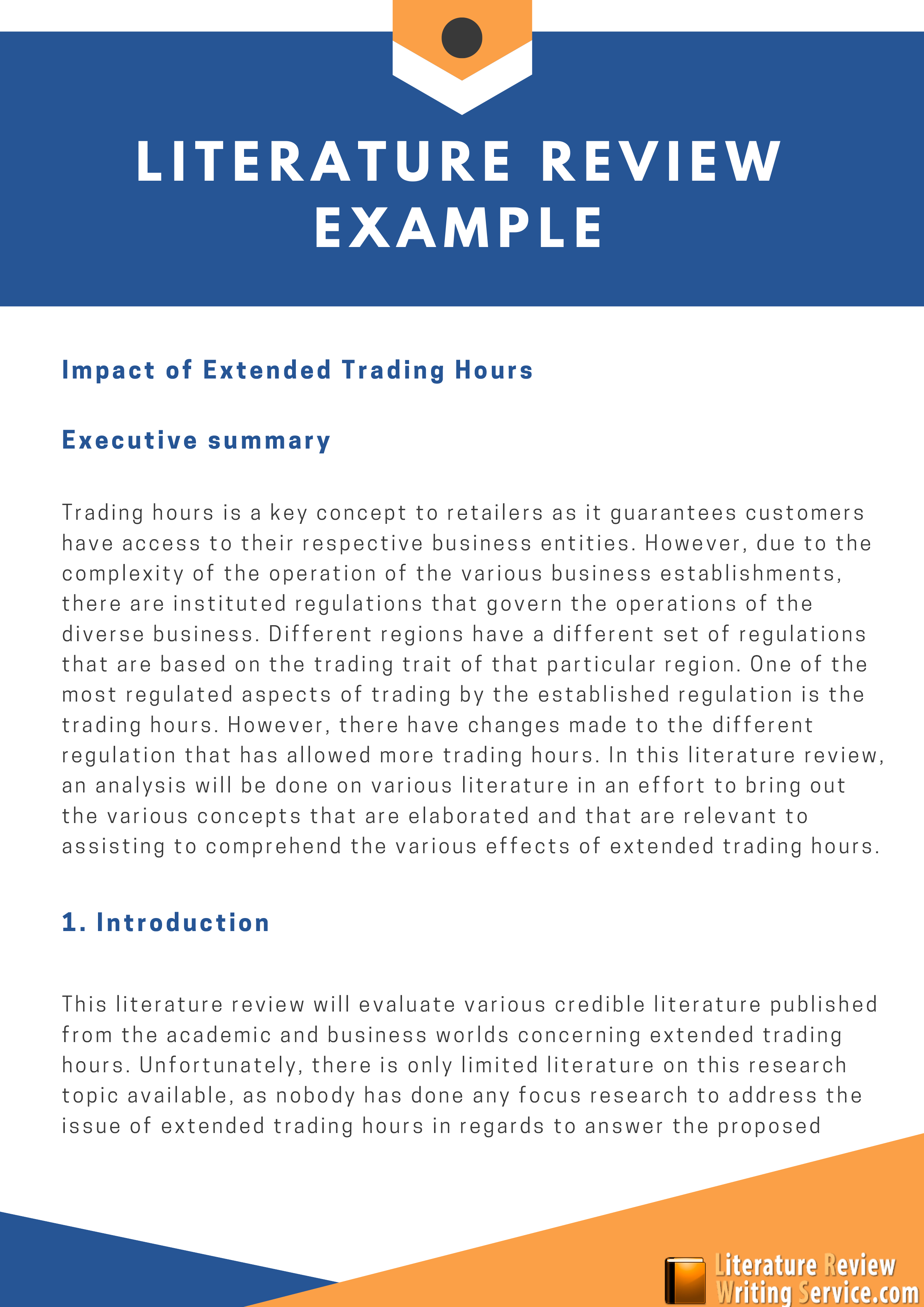
A literature review is a document or section of a document that collects key sources on a topic and discusses those sources in conversation with each other (also called synthesis). The lit review is an important genre in many disciplines, not just literature (i.e., the study of works of literature such as novels and plays) · Order your sources chronologically by publication if the order demonstrates a more important trend. For instance, you could order a review of literature on biological studies of sperm whales if the progression revealed a change in dissection practices of the researchers who wrote and/or conducted the studies. By trendAuthor: Mona Ramonetti · After having read a review of the literature, a reader should have a rough idea of: the major achievements in the reviewed field, the main areas of debate, and the outstanding research questions. It is challenging to achieve a successful review on all these fronts
Literature Review Definition
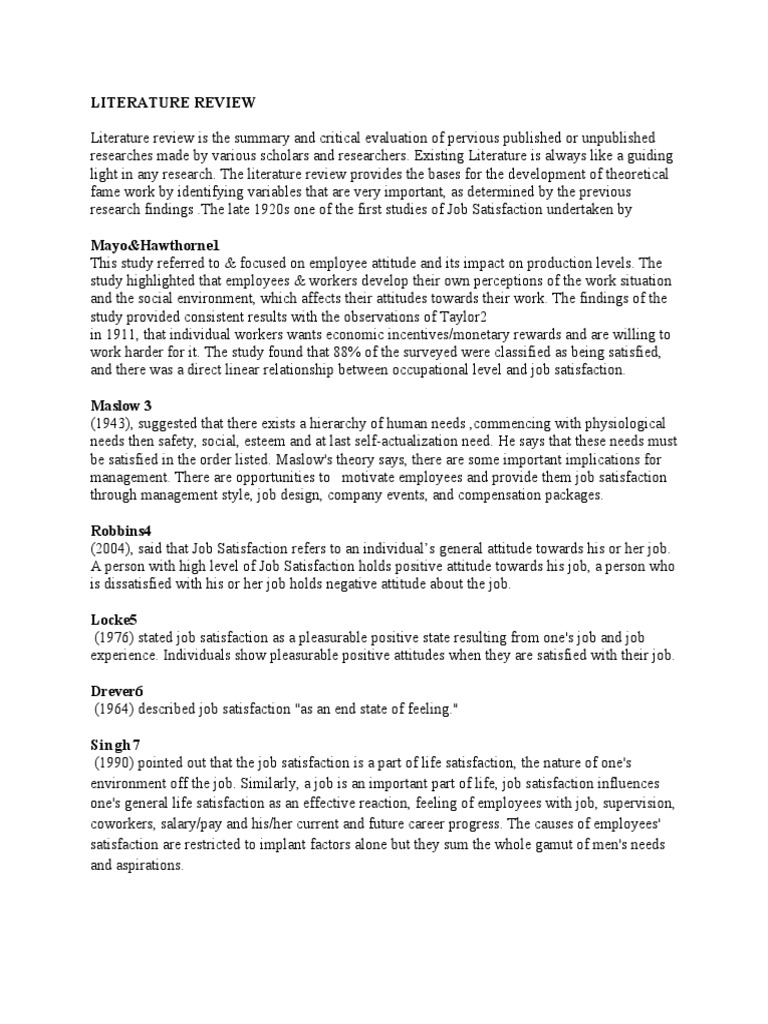
· Aouadni et al. () reviewed articles published between and about supplier selection and order allocation. In their paper, about 17 %, 9 %, and 7 % of the reviewed papers were about AHP, TOPSIS, and ANP methods, respectively. They mentioned that fuzzy multiple-objective programming is a popular method in this area · After having read a review of the literature, a reader should have a rough idea of: the major achievements in the reviewed field, the main areas of debate, and the outstanding research questions. It is challenging to achieve a successful review on all these fronts There are (broadly speaking) three options for organising your literature review. Option 1: Chronological (according to date) Organising the literature chronologically is one of the simplest ways to structure your literature review
What is the purpose of a literature review?
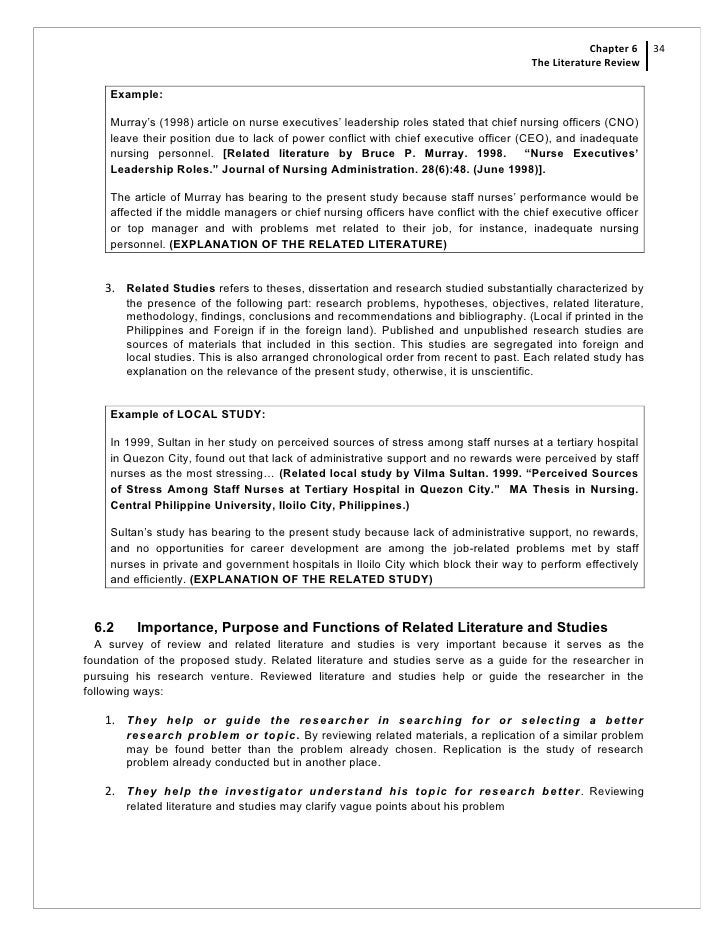
Organize the literature review around key topics of concepts. Use headings or topic sentences to convey your organizational principle. Tell a story about the research. This will assist you with your organization. Be selective. Incorporate only studies that · After having read a review of the literature, a reader should have a rough idea of: the major achievements in the reviewed field, the main areas of debate, and the outstanding research questions. It is challenging to achieve a successful review on all these fronts · Organizing the Literature Review 1. Organizing Principles A literature review is a piece of discursive prose, not a list describing or summarizing one piece of literature after another. It should have a single organizing principle: Thematic - organize around a topic or issue Chronological - sections for each vital time periodAuthor: Lynda Quamina-Aiyejina
Rule 1: Define a Topic and Audience
A literature review is a document or section of a document that collects key sources on a topic and discusses those sources in conversation with each other (also called synthesis). The lit review is an important genre in many disciplines, not just literature (i.e., the study of works of literature such as novels and plays) · After having read a review of the literature, a reader should have a rough idea of: the major achievements in the reviewed field, the main areas of debate, and the outstanding research questions. It is challenging to achieve a successful review on all these fronts Organize the literature review around key topics of concepts. Use headings or topic sentences to convey your organizational principle. Tell a story about the research. This will assist you with your organization. Be selective. Incorporate only studies that

No comments:
Post a Comment